
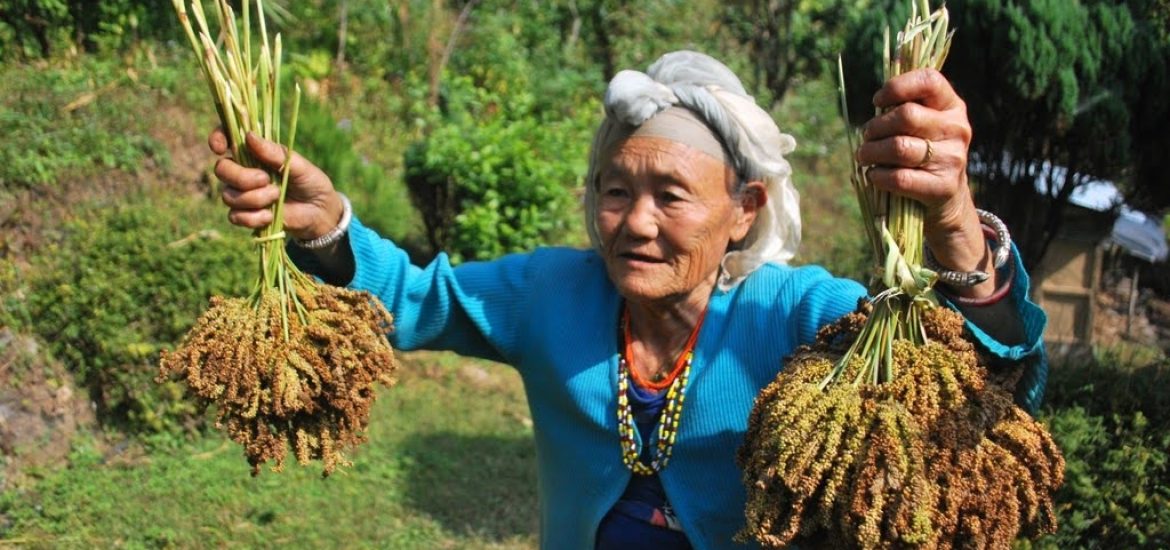
In the face of rising food insecurity, soil exhaustion, and a rapidly changing climate, the call for sustainable agriculture has never been louder. But here’s the thing, long before tractors, synthetic fertilizers, and GPS-guided irrigation, Indigenous Peoples had already mastered the art of working with the land rather than against it. Their farming systems, refined over countless generations, don’t just produce food. They nurture the soil, safeguard biodiversity, and keep ecosystems in balance.
Today, as modern agriculture struggles with its excesses, these traditional methods offer something invaluable: time-tested, climate-smart solutions that can guide us toward more resilient and sustainable food systems.
What Indigenous Knowledge Brings to the Table
Indigenous agricultural knowledge is not a fixed set of “old-fashioned” techniques; it’s a living, evolving science rooted in deep observation of nature. It’s holistic, blending the practical with the cultural and spiritual. In many Indigenous communities, farming isn’t just about yield; it’s about stewardship, reciprocity, and leaving the land healthier than you found it.
These systems emphasize diversity over uniformity, intercropping instead of monocultures, and organic soil building instead of chemical dependency. Traditional seed-saving practices, for example, protect a treasure trove of heirloom varieties uniquely adapted to local conditions. Many of these crops are naturally resistant to pests, drought, or flooding, traits that are becoming critical as climate change alters growing seasons and weather patterns.
Lessons from the Field: Indigenous Practices in Action
Take the “Three Sisters” method of the Haudenosaunee (Iroquois) and other Indigenous nations in North America: corn, beans, and squash are planted together in a kind of living partnership. Corn provides the tall stalks for beans to climb, beans enrich the soil with nitrogen, and squash sprawls across the ground to keep weeds at bay and lock in soil moisture. It’s simple, elegant, and remarkably effective, with no synthetic inputs required.
Or consider the Aztec chinampas, ingenious “floating gardens” built in shallow wetlands. These raised beds create a self-irrigating system that resists erosion, supports year-round harvests, and turns even swampy ground into fertile farmland.
Half a world away, in the steep mountains of the Philippines, the Ifugao people have been perfecting terrace farming for centuries. By carving rice paddies into the hillsides, they slow water runoff, reduce erosion, and make every drop of rainfall count.
In South Africa, the Vhavenda people weave trees into their fields through agroforestry, creating a multi-layered farm ecosystem. The trees shade crops, enrich the soil, and attract beneficial wildlife, all while producing food and medicinal plants.
Across the Americas, Indigenous agroforestry traditions similarly blend trees, crops, and livestock in ways that feed communities while strengthening the land.
Why This Matters Now
These aren’t just charming examples from the past; they’re blueprints for the future. Indigenous farming methods:
- Regenerate soil instead of depleting it.
- Boost resilience to droughts, floods, and other climate shocks.
- Reduce reliance on synthetic fertilizers and pesticides.
- Support biodiversity, from pollinators to wildlife.
Research shows that integrating Indigenous agricultural knowledge can improve productivity while maintaining ecological balance, a rare combination in modern farming.
The Challenges Ahead
Despite their value, these traditions are under threat. Colonization, land dispossession, and decades of agricultural policies that favor industrial monocultures have pushed many Indigenous farmers away from their heritage. In Mexico’s Yucatán, for example, a 2025 study found that 75% of Maya farmers have shifted to conventional methods under economic and political pressure.
Climate change is adding another layer of difficulty, forcing farmers to adapt faster than ever. And perhaps most frustratingly, many governments still fail to recognize Indigenous practices as legitimate, let alone support them through policy.
Moving Forward: Partnership, Not Appropriation
Reviving and protecting Indigenous agricultural knowledge means doing more than simply “borrowing” techniques; it requires empowering the communities who created and steward them. That means securing land rights, funding community-led projects, and ensuring Indigenous voices lead the conversation in research and policymaking.
Some promising models are already in motion. In Tanzania, for example, collaborative projects are blending Indigenous farming strategies with modern science to improve food security while protecting the environment. Elsewhere, community seed banks are helping preserve heirloom varieties and pass them on to younger generations.
A Call to Action
Indigenous knowledge isn’t just part of humanity’s agricultural history; it’s a cornerstone of our shared future. If we’re serious about feeding the world without destroying the planet, we need to listen to, learn from, and support the farmers who have been doing exactly that for millennia.
The solutions we’re searching for may not need to be invented; they may already be growing quietly in fields, terraces, and wetlands across the globe.